Spot
Loading spot
1990 — 2002
Gone but documented. The spot itself is no longer skateable — its history lives on here.
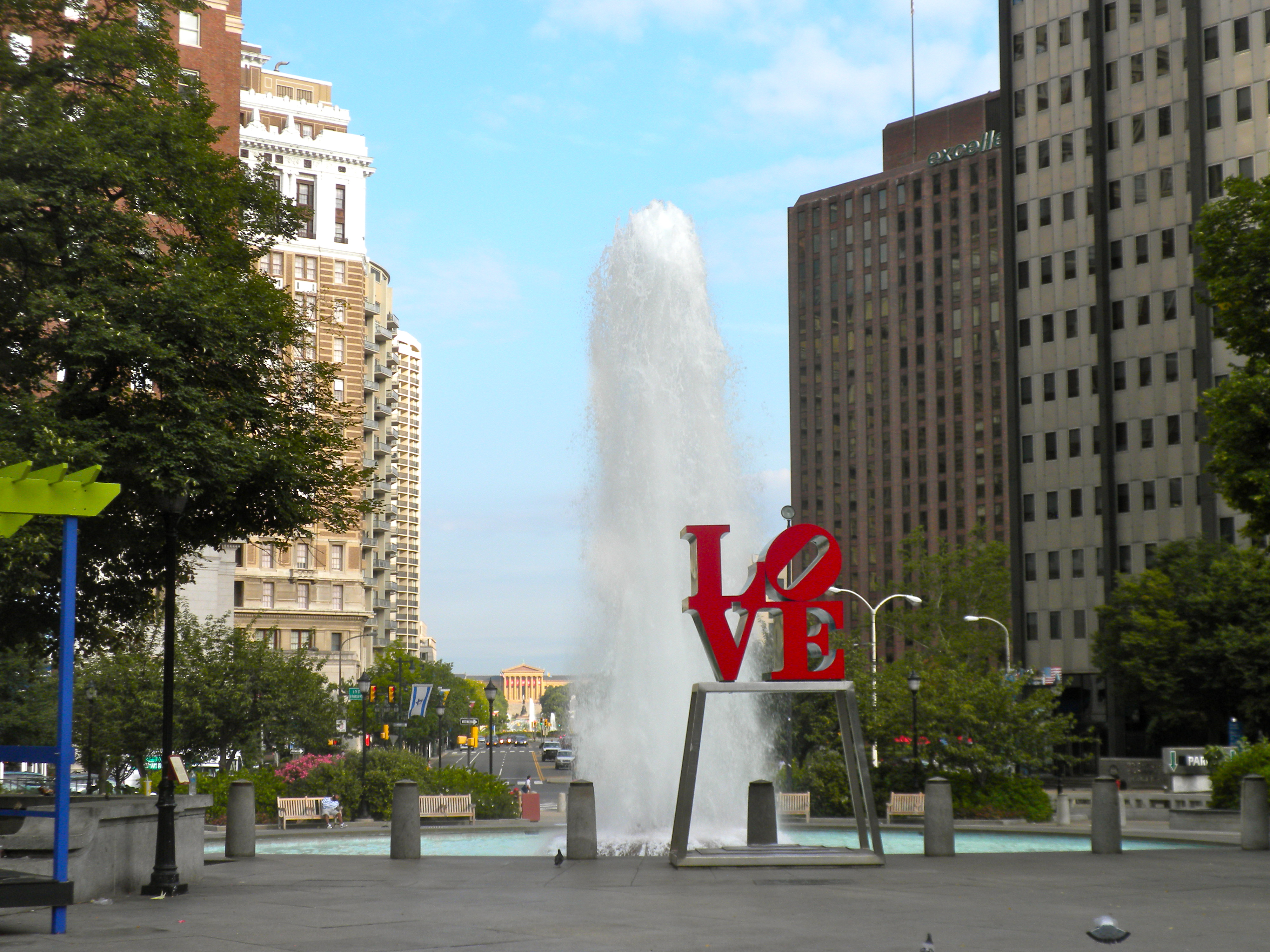
READ ITS HISTORY ↓JFK Plaza in front of the LOVE sculpture. Granite ledges over banked steps. Defined East Coast street skating through the 90s before the city walled it off in 2002 and rebuilt it in 2016.
5.5
9
GRANITE
8/10
No accessibility tags yet.
// ADD A TAG →The weather service could not be reached. Check back shortly.
| DAY | MORNING | AFTERNOON | EVENING | NIGHT |
|---|---|---|---|---|
| SUN | ||||
| MON | ||||
| TUE | ||||
| WED | ||||
| THU | ||||
| FRI | ||||
| SAT |
1990 — 2002
JAN 1, 1965
Cradle of East Coast street skating from the early 1990s until the city walled it off in 2002 and demolished the granite plaza in 2016.
Background. JFK Plaza, the official name, was designed by Edmund Bacon and Vincent G. Kling and built in 1965 above an underground parking garage. The plaza was dedicated in 1967 in memory of President John F. Kennedy. Robert Indiana's LOVE sculpture, installed permanently in 1976, gave the space its common name. By the early 1990s skaters had recognised the plaza's granite ledges, banked steps, and the Fountain Gap as a near-perfect street-skating environment. Through the 1990s and early 2000s Love Park functioned as a cultural anchor for East Coast skating, surfacing in countless video parts and producing a generation of professional skaters local to Philadelphia. In 2002 the city installed barriers and skate-deterrent measures, effectively ending public skating at the site. In February 2016 Mayor Jim Kenney lifted the ban for five days as a farewell session before demolition. The plaza was then rebuilt under landscape architects Hargreaves Associates between 2016 and 2018; the granite, the Fountain Gap, and the original layout no longer exist. Pieces of the original granite were auctioned to skaters and preserved in private collections.